
Introduction
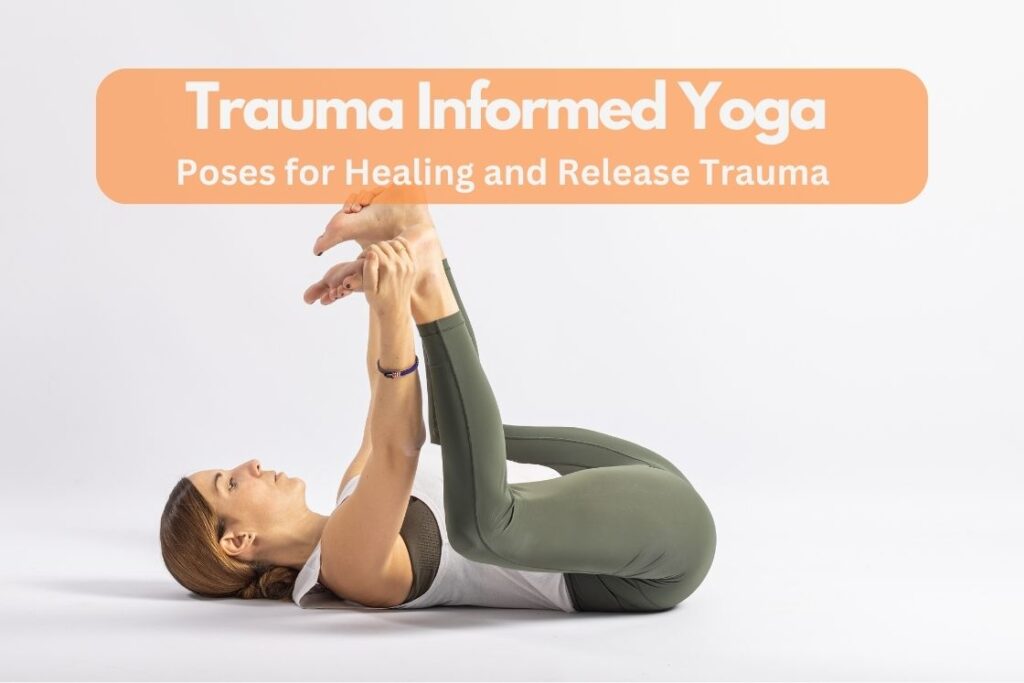
Trauma isn’t just about the mind — it leaves ripples in the body, nervous system, and daily life. For many survivors, traditional talk therapy is powerful but not always enough. This is where yoga, especially trauma-informed yoga, comes in. By integrating movement, breath, and mindfulness, yoga offers a gentle yet profound pathway to reconnecting with oneself, healing stored tension, and rebuilding emotional resilience.
1. Understanding Trauma & Its Body-Mind Impact
- Trauma can disrupt the connection between the body and mind, making it difficult for someone to feel “in” their body.
- Many trauma survivors experience hyperarousal (constant alertness), emotional dysregulation, dissociation, or disconnection from bodily sensations.
- Trauma-informed yoga recognizes these realities and adapts practices to create safety, agency, and choice.
2. What Is Trauma-Informed / Trauma-Sensitive Yoga?
- According to experts, trauma-informed yoga is not designed to re-experience the traumatic event, but to help individuals become more aware of their body sensations and release tension.
- Instructors in trauma-sensitive yoga are trained to offer choices, modifications, and a non-threatening environment: for instance, avoiding sudden touch, not insisting on closing eyes, and giving participants the power to decide what they want to do.
- There’s an emphasis on trust, consent, and empowerment.
3. Scientific Evidence: How Yoga Helps Trauma Survivors
- A meta-review of many studies found that yoga shows “encouraging but preliminary” evidence as a complementary intervention for trauma-related symptoms like anxiety, depression, and PTSD.
- A systematic review (12 studies, ~791 participants) found effect sizes (ds = 0.40–1.06) for improvements, but noted that many studies had methodological limitations.
- A rapid qualitative review reported that participants felt more self-compassion, a stronger mind-body connection, and improved coping skills after trauma-informed yoga.
- According to trauma survivors’ narratives, regular yoga practice helped with self-acceptance, spiritual growth, and reduced trauma-related symptoms.
4. Mechanisms: How Yoga Works for Trauma Healing
Here are some of the key ways yoga supports trauma recovery:
- Regulating the Nervous System
Yoga activates the parasympathetic (rest-and-digest) nervous system, which helps calm down hyperarousal and reduces stress. - Improving Body Awareness (Interoception)
Through mindful movement and breath, yoga helps survivors reconnect with internal bodily sensations. - Emotional Regulation
Breathwork and meditation in yoga teach people to notice their emotions without being overwhelmed — building resilience. - Building Self-Compassion & Empowerment
Many trauma-informed yoga practitioners report increased self-acceptance and a sense of empowerment over their bodies and choices. - Safe Somatic Integration
Trauma is often stored in the body. Yoga offers a somatic (body-based) way to process and gradually release this.
5. Real-World & Practical Applications
- Trauma Recovery Programs: Yoga is used as a complementary tool in recovery programs for PTSD, depression, and anxiety.
- Therapy Settings: Some therapists integrate trauma-sensitive yoga into one-on-one or group therapy, ensuring sessions are very gentle and choice-driven.
- Community Healing: Community yoga studios or non-profits sometimes run trauma-informed yoga classes for survivors.
- Daily Healing Practice: Survivors can use gentle yoga and breathwork in their daily lives (even for 5–10 minutes) to self-regulate and reconnect.
6. Considerations & Cautions
- Not a Substitute for Therapy: While yoga is healing, research recommends it as a complementary (not standalone) treatment for trauma.
- Quality of Research Varies: Many studies on yoga for trauma have methodological issues — more rigorous research is needed.
- Instructor Training Matters: Trauma-informed yoga requires instructors who understand trauma, consent, and nervous system regulation.
- Accessibility Issues: Participants may face barriers like cost, class location, or lack of trauma-sensitive instructors.
- Emotional Reactions: Some yoga practices can evoke strong emotions or bodily sensations; people should practice at their own pace and have support (therapist or trained teacher).
7. Tips for Incorporating Trauma-Sensitive Yoga in Your Practice or Yoga Studio
- Offer trauma-sensitive classes (or mention that your yoga studio does) with options for modifications, no eye-closing, and non-judgmental language.
- Use breathwork (pranayama) in these classes to help with emotional regulation: simple breathing exercises like ujjayi or belly breathing.
- Create safe spaces: let students decide their posture, whether they touch the floor, close eyes, or rest.
- Encourage consistent, short practice: even 10 minutes a day helps.
- Collaborate with therapists: partner with mental-health professionals so yoga and therapy go hand in hand.
- Train your instructors in trauma sensitivity / trauma-informed yoga education.
Conclusion
Yoga is not just a spiritual or physical exercise — for many, it’s a deeply healing tool that bridges the gap between mind and body. In trauma recovery, yoga offers somatic reconnection, emotional regulation, nervous system calming, and self-empowerment. While it’s not a magic cure, it’s a powerful complement to therapy, giving survivors a gentle and embodied pathway back to themselves