
Introduction
Yoga has always been a bridge between ancient wisdom and modern life. But now, with the rise of AI, virtual reality (VR), and smart wearables, this bridge is evolving faster than ever. Technology is not here to replace the spiritual essence of yoga — it’s enhancing how we learn, practice, and deepen our understanding of ourselves.
1. AI and Real-Time Pose Correction
- Smart Yoga Mats: Tools like the YogiFi Gen 3 mat use embedded sensors + AI to track your posture while you do asanas. YogiFi Smart+1
- Webcam-Based AI Coaches: Platforms like YogMudra use your webcam to analyze your alignment, giving real-time feedback and coaching. yogmudra.ai
- Custom Flow Generation: Apps like TrueYogi use AI (“EVA”) to design yoga flows personalized to your physical ability, mood, and progress. Trueyogi
- Research & Innovation: There are even academic models (like PosePilot) that run on edge devices to give highly accurate alignment feedback for complex yoga poses. arXiv
Why this matters:
- Beginners can avoid injuries by getting posture correction even at home.
- Intermediate/advanced yogis can refine their asanas with precision.
- People without access to a physical teacher can still get “instructor-level” feedback.
2. Virtual Reality (VR) and Immersive Yoga
While VR in yoga is still emerging, it’s gaining traction:
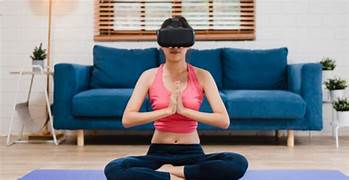
- Immersive Environments: Imagine practicing yoga in a serene forest, mountain top, or beach — all from your living room. VR makes that possible.
- Guided Sessions + Gamification: With VR, yoga sessions can become more interactive — combining breathwork, meditation, and movement in game-like experiences.
- Research Foundations: Though still niche, some studies on motion tracking in VR fitness are being adapted to yoga. (For example, pose-recognition algorithms used in exercise could easily apply to yoga.) arXiv
Benefits:
- More engaging experience for users who struggle with motivation.
- A safe space to learn: beginners can try challenging poses without fear of judgment.
- Offers a “retreat feel” at home — perfect for meditation or deep work.
3. Wearables & Smart Sensors
- Smart Mats: (As mentioned) mats like YogiFi give feedback without needing an external camera.
- Wearable Fitness Tech: As wearable health tech evolves, devices like smartwatches + fitness bands can potentially connect posture data + heart-rate + breathing to provide a more holistic yoga experience.
- Combining Data: In future, data from wearables + AI could help create yoga routines based not just on your flexibility, but also on your stress levels, HRV (heart rate variability), and more.
4. The Flip Side — Challenges & Considerations
- Overdependence on Tech: Some yogis feel that relying too much on AI may dilute the spiritual / intuitive side of yoga.
- Privacy Concerns: Using a webcam or sensor-based mat raises questions about data security — where is the video or posture data stored?
- Accessibility: Smart mats and AI apps may be expensive for many practitioners, especially in less developed markets.
- Technical Limitations: AI posture tracking can still make mistakes. Not all body types or non-standard asanas might be recognized perfectly.
5. How to Integrate Tech with Traditional Yoga Practice
Here are some practical ideas for yoga practitioners (or for your yoga studio blog):
- Use AI tools for self-assessment: Before joining a class, use an AI app to check your posture and fix alignment issues.
- Combine with in-person classes: Use the feedback from smart mats to discuss posture corrections with your teacher.
- Short VR sessions: Do a 10-minute VR meditation in the morning to ground yourself.
- Track progress: Use a wearable or mat + app combo to track improvements in stability, balance, and form over weeks.
Conclusion
The integration of AI, VR, and wearables into yoga is not just a fad — it’s a meaningful step in how ancient practices adapt to modern life. These technologies can make yoga more accessible, safer, and more personalized — while still respecting its spiritual roots. As a yoga practitioner or teacher, embracing these tools thoughtfully can help you reach more people, deepen your own practice, and make yoga more inclusive.